Is your home worth more than last spring or less than the house that just sold down the street? Pricing is the part of selling that feels simple until it is not. You want a number that draws strong buyers, protects your equity, and gets you moving on time.
In this guide, you will learn how to price right for Huntersville using local data, a clear CMA process, and smart launch tactics. You will also see what to watch around Lake Norman, Birkdale Village, and the I‑77 commute corridor. Let’s dive in.
Know the Huntersville price drivers
Huntersville has micro‑markets that behave differently. Understanding these local factors helps you choose the right comps and adjustments.
- Lake Norman proximity. Waterfront and lake‑view homes attract a distinct buyer pool and often carry premiums. Do not mix waterfront comps with non‑waterfront when you set price.
- New construction influence. New‑home communities can set price anchors but often include builder incentives. Adjust your analysis to reflect those concessions and lot differences.
- Commute access. Proximity to I‑77 and major employers in Charlotte affects demand and days on market. Buyers value time savings and predictable commutes.
- Neighborhood amenities. Retail and entertainment clusters like Birkdale Village, parks, and greenways can support stronger pricing for nearby homes, depending on walkability and lifestyle appeal.
- HOA rules and fees. Monthly dues and community rules affect buyer budgets and demand. Higher HOA fees can lower what buyers can offer.
- School assignments and zoning. Many buyers review current school assignments as part of their decision. Verify the most recent assignments before pricing.
Gather the right local data
Before you pick a list price, assemble a short market snapshot. Use rolling 3‑ and 12‑month views to capture both trend and seasonality.
- Median and average sale price. Track the direction and pace of change to understand momentum.
- Price per square foot from recent closed sales. Use it to compare across different home sizes, then adjust for condition and features.
- Inventory and months of supply. Lower supply often favors sellers and can support firmer pricing. Rising supply calls for tighter positioning.
- Days on market and list‑to‑sale price ratio. These reveal how close sellers are landing to list price and how quickly homes move.
- New construction permits and closings. Shifts in new‑build supply can change competition for resale homes.
- Share of cash buyers. Cash can reduce appraisal risk and shorten timelines, influencing both strategy and negotiation.
Keep your data hyper‑local. In most Huntersville subdivisions, the best insights come from the most recent 3 to 6 months of closed sales.
Prep your home before pricing
Price is never just a number. Presentation changes what buyers think that number means.
- Complete visible repairs and address major deferred maintenance where practical. If you choose not to fix, plan to disclose and price accordingly.
- Consider a pre‑listing inspection. It helps you quantify defects that could affect value or lead to renegotiation.
- Stage for photos and showings. Good presentation supports a stronger price and smoother first week on market.
- Gather documents. Pull your tax assessment, prior sale history, HOA resale packet, warranties, utility averages, and any inspection reports.
A polished, transparent listing gives buyers confidence and can protect your price during negotiations.
Build a rock‑solid CMA
A Comparative Market Analysis is your foundation. Follow this step‑by‑step approach tailored for Huntersville.
Define your core market area. Start with the same subdivision or within 0.25 to 0.5 miles. Expand for unique properties like waterfront or acreage.
Select the right time frame. Use the last 3 to 6 months in active segments. Stretch to 12 months if inventory is thin or pace is slower.
Match key characteristics. Align on property type, beds, baths, finished square footage, lot size, age, and special features such as waterfront, pool, or a three‑car garage.
Establish a price‑per‑square‑foot baseline. Calculate from closed comps, apply it to your home, then adjust up or down for condition, renovations, lot position, and layout.
Separate distinct submarkets. Do not blend waterfront with non‑waterfront. For new construction, rely on closed sales rather than model pricing with concessions.
Document adjustments. Write down your rationale for condition, upgrades, view, or location differences. Even a simple one‑paragraph summary helps you defend the price.
Check actives and pendings. Closed sales set value. Active and pending listings show current competition and buyer expectations.
Choose a pricing strategy
How you position price depends on goals and market tempo.
- List near estimated market value. This maximizes qualified interest and often yields offers near your target. It is the default for most sellers.
- Price slightly under market. In a hot segment, this can spark multiple offers and push the final price up. In slower conditions, it can backfire.
- Price above market. This often reduces showings and increases days on market. You may end up with reductions and weaker leverage.
Mind price bands. For example, $499,900 will show up in more buyer searches than $500,000. Choose a band that fits your audience and MLS search patterns.
Time your launch
Seasonality matters.
- Spring and summer often bring more buyers, faster pace, and competitive outcomes.
- Fall and winter can be slower but may have more serious buyers and less competition.
- Builder release schedules can shift demand. End‑of‑quarter or year incentives may draw buyers toward new construction, which can change resale dynamics.
If timing is flexible, align your launch with the strongest window for your home’s segment. If you must list off‑cycle, lean into excellent presentation and precise pricing.
Plan for appraisals and financing
Your contract price and your appraised value are not always the same.
- Lender appraisals set financed value. If the appraisal is lower than contract price, someone must bridge the gap. That can be a buyer appraisal‑gap clause, price adjustment, or credits.
- Cash buyers reduce appraisal risk. They may still order a valuation, but closing timelines are often shorter.
- Loan programs differ. FHA, VA, and conventional financing have different appraisal and condition standards. If your home needs repairs, this can influence your buyer pool.
Support the appraiser. Provide recent comps and a one‑page market summary. Ensure easy access and highlight upgrades, permits, and improvements.
Understand NC disclosures, HOA, and taxes
North Carolina requires specific seller disclosures and practical steps that affect pricing and net proceeds.
- Residential property disclosure. Complete the statutory Residential Property Disclosure Statement and disclose known material facts.
- Lead‑based paint disclosure. Required for homes built before 1978.
- HOA communities. Gather covenants, financials, resale packets, and confirm transfer fees. Buyers rely on clear HOA costs when assessing value.
- Property taxes. Share current assessed value and estimated annual property tax so buyers can plan. Reassessments or pending changes can influence expectations.
- Closing prorations and fees. Expect prorations for taxes and HOA dues, deed stamps, and other typical seller costs.
Transparency reduces friction and helps you keep your price intact through due diligence.
Set your launch plan and review checkpoints
Price is a hypothesis until the market responds. Define your first two weeks.
- Go live with professional photos, a detailed description, and polished marketing on day one.
- Track showings, online views, and agent feedback daily.
- Set a review window, often 7 to 14 days. If traffic lags behind similar listings, consider a targeted adjustment.
- Use small, strategic reductions. Move to a better price band when needed rather than cutting without a plan.
The goal is to control your narrative, not chase the market.
Special cases: waterfront and unique homes
Some Huntersville properties require extra care.
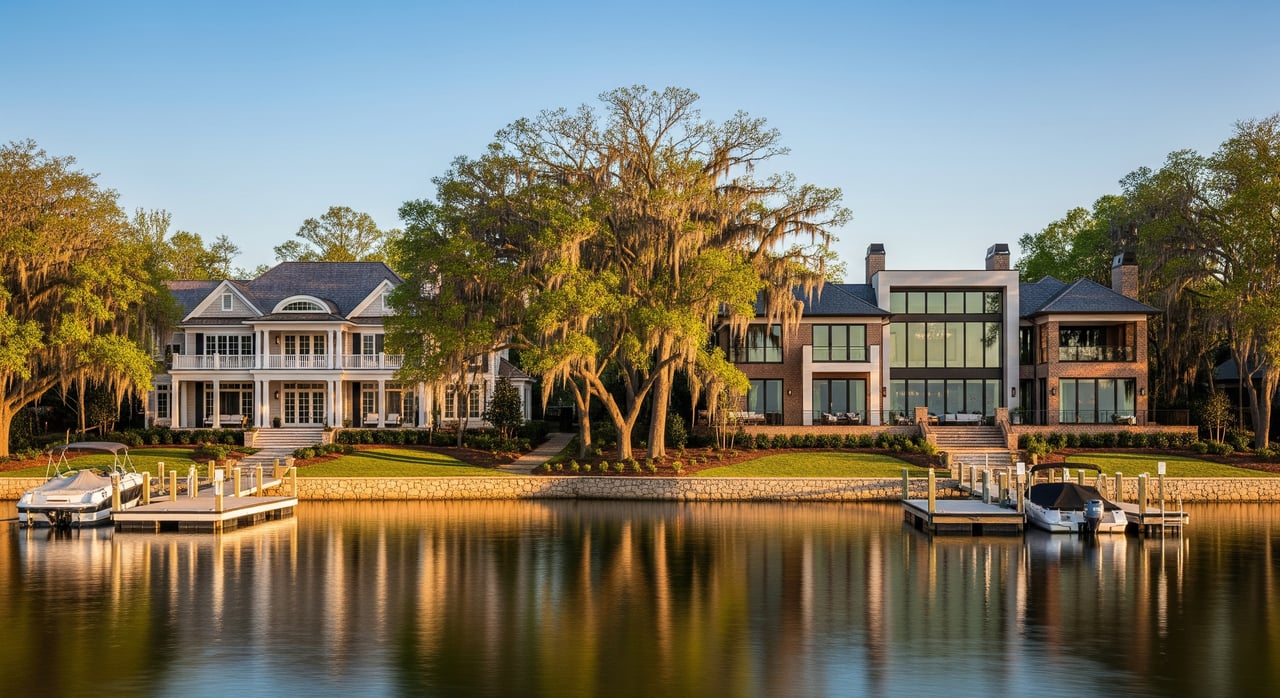
- Waterfront and lake‑view. Use a distinct comp set focused on shoreline attributes, water depth, and view quality. Lot orientation and dock permits can materially affect value.
- Custom builds, acreage, or highly updated homes. Expand your radius and time frame, then use percentage adjustments. The most similar sale may be farther away, and that is okay.
- New construction versus resale. Align with closed new‑build comps and adjust for builder incentives, lot premiums, and warranty differences.
When in doubt, involve a local appraiser or seasoned listing agent who knows Lake Norman and Huntersville nuances.
What this looks like with HouseCarolina
You deserve a clear plan, not guesswork. With HouseCarolina, your pricing workflow is practical and data‑driven.
- Local CMA by subdivision. We build a clean, apples‑to‑apples comp set for your home type.
- Boutique presentation. Staging guidance, pro photos, and thoughtful listing copy support your price from day one.
- Smart launch cadence. We define a two‑week response plan with check‑ins, showing benchmarks, and clear next steps.
- Relocation reach. Many Huntersville buyers are moving from out of the area. Our virtual tours and cross‑border experience help expand exposure and reduce friction.
Ready to see your home’s pricing picture? Reach out to Christopher Hansen for a custom Huntersville CMA and launch plan tailored to your goals.
FAQs
How many comps do I need for a Huntersville CMA?
- Use 3 to 6 closed sales that closely match your home plus 2 to 4 active or pending listings for context, expanding radius and time frame for unique properties.
Should I repair issues before listing in Huntersville?
- Fix major or safety‑related items when practical, and consider pricing or credits for cosmetic updates; a pre‑listing inspection helps quantify impact either way.
How long should I hold my initial list price?
- Monitor showings and feedback for 7 to 14 days; if traffic is below similar listings, make a strategic adjustment, ideally to a stronger price band.
What if my home appraises below the contract price?
- Share relevant comps with the appraiser, then negotiate an appraisal‑gap solution with the buyer, consider a price change or credit, or explore a lender reconsideration.
How much do renovations add to asking price in Huntersville?
- Returns vary; compare updated versus non‑updated local comps, with kitchens, baths, and curb appeal typically offering stronger near‑term value signals.
Are online home value estimates accurate for Huntersville?
- They provide a general range but often miss local variables like waterfront premiums, lot position, HOA fees, or builder incentives, so confirm with a local CMA.