Thinking about buying a rental in Concord but not sure where to start? You’re smart to look in Cabarrus County, with its Charlotte access, growing job base, and steady demand for single-family homes. In this guide, you’ll learn how to analyze deals, find reliable local inputs, understand North Carolina landlord rules, and plan your financing and operations. Let’s dive in.
Why Concord fits SFR investing
Regional demand drivers
Concord sits in the Charlotte metro with strong commuter access and regional employers. Economic announcements and business expansions reported by Cabarrus County Economic Development and the City of Concord help support housing demand from logistics, manufacturing, and service sectors. Tourist amenities like the Charlotte Motor Speedway add seasonal activity, though this guide focuses on long-term rentals.
Who rents single-family homes
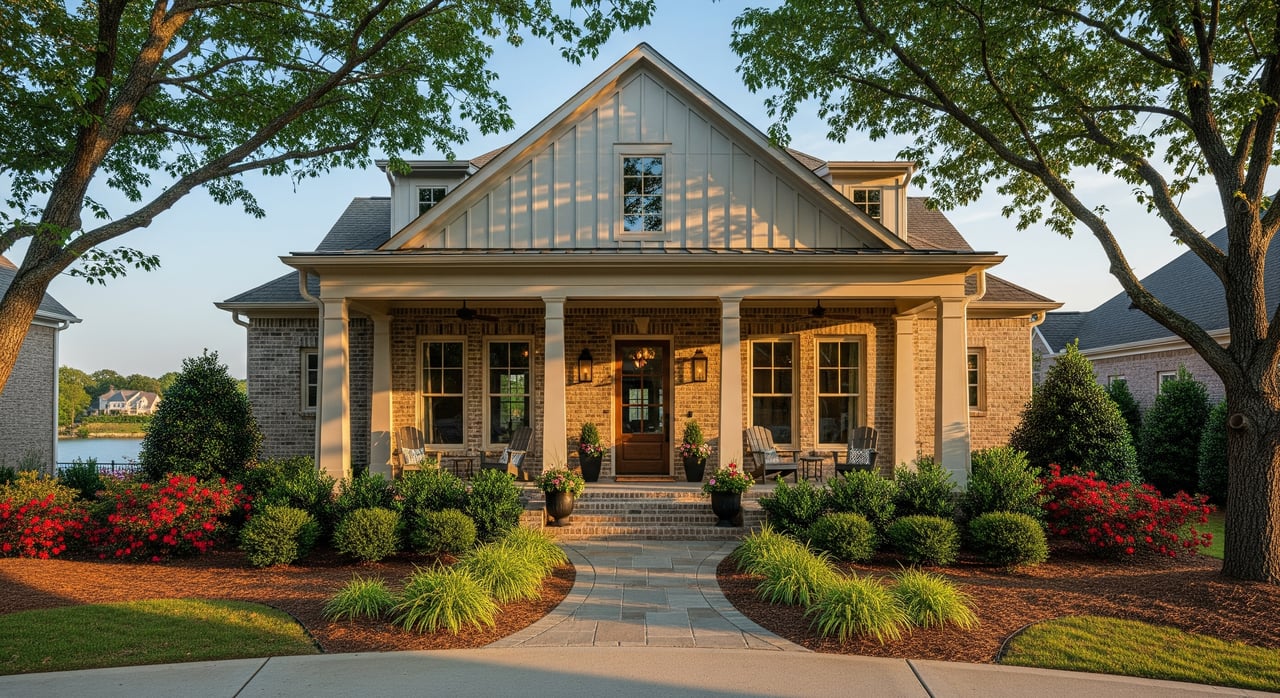
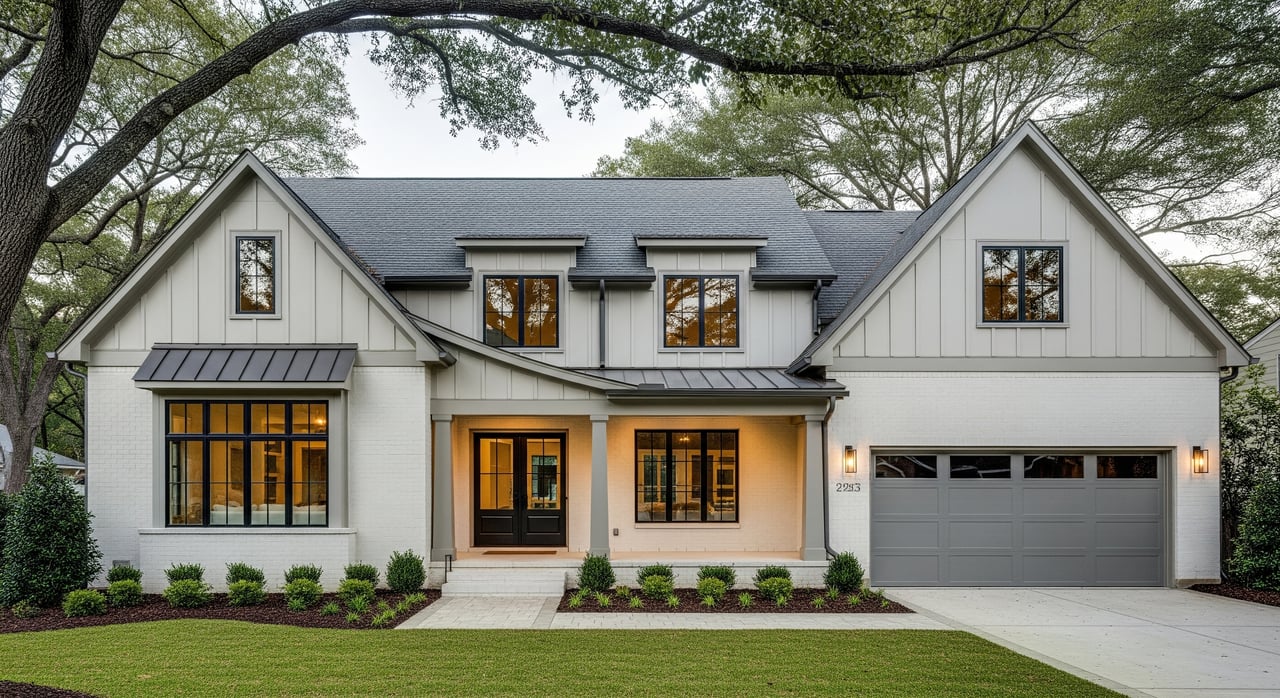
Single-family rentals appeal to households that want space, a yard, and suburban convenience without a long-term purchase. To understand the size and makeup of that audience, review population growth, household formation, incomes, and commuting patterns using the U.S. Census Bureau. Look for steady household growth and a healthy share of renter households compared with owners.
Micro-markets and commutes
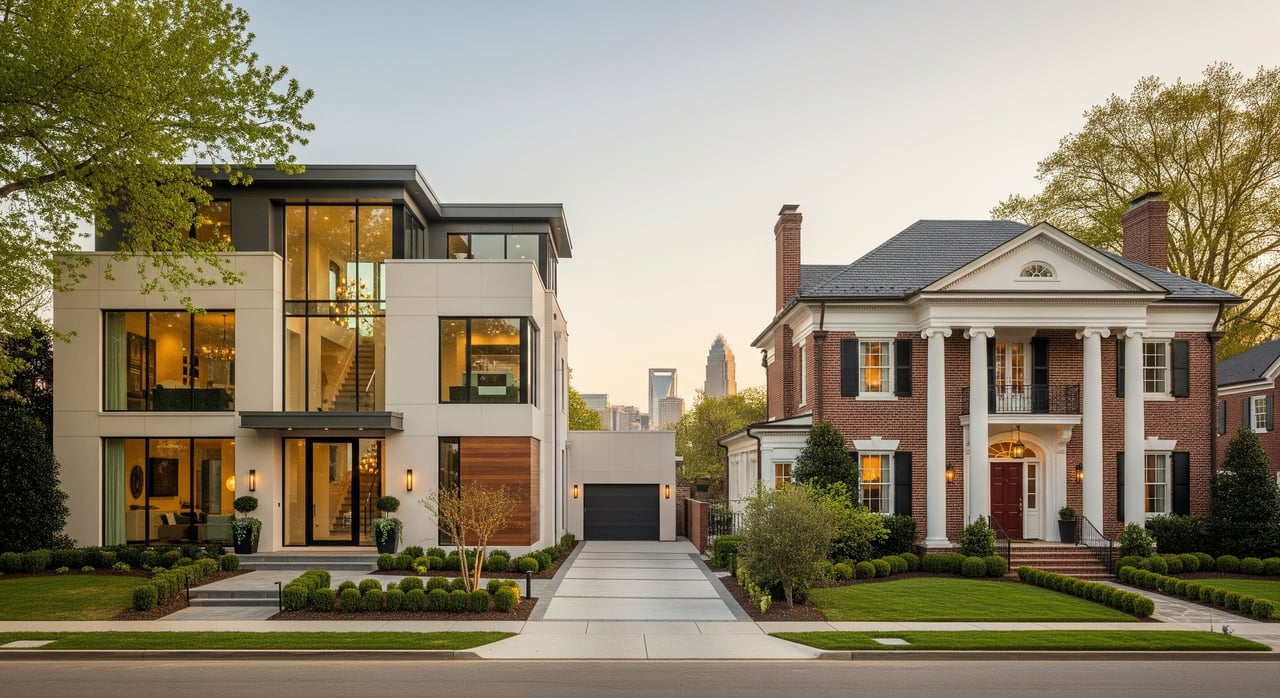
Concord offers a mix of older central neighborhoods and newer subdivisions. Proximity to I-85 and direct routes to Charlotte can influence rent potential and days on market. As you compare areas, confirm HOA rules, new construction nearby, and practical commute times for your likely tenant profile.
Underwrite your Concord rental
Core metrics and simple formulas
Use these fundamentals to compare properties on equal footing:
- Gross Rent Multiplier (GRM) = purchase price / annual gross rent.
- Net Operating Income (NOI) = gross rent + other income − vacancy loss − operating expenses (excluding mortgage).
- Capitalization Rate (Cap Rate) = NOI / purchase price.
- Cash-on-Cash Return = annual pre-tax cash flow / total cash invested.
- Debt Service Coverage Ratio (DSCR) = NOI / annual debt service.
Aim to model a base case and a conservative case so you see how returns hold up if rents soften or vacancies run longer than planned.
Income and vacancy assumptions
Anchor your rent estimate in real, local comps. Then apply a vacancy buffer so your math reflects reality. A conservative vacancy allowance of 5 to 10 percent is a common practice for single-family rentals, though actual performance will vary by location, season, and property condition.
Expense planning in Cabarrus County
Typical expense categories for SFRs include property taxes, insurance, HOA dues, management, maintenance, and reserves for capital items. Many investors plan for an operating expense ratio between 30 and 50 percent of gross rents, excluding mortgage payments. You can refine estimates using the Cabarrus County Tax Assessor for property taxes and local insurer quotes for landlord policies. Set aside maintenance and capital reserves, often 5 to 10 percent of rents, based on the age and condition of the home.
Find reliable local inputs
Rents and sales comps
- Rents: Use recent lease data from the local MLS through your agent and compare with listings from Concord-based property managers. Look for close matches by beds, baths, square footage, and condition.
- Sales comps: Pull closed sales for similar homes in the same submarket. Focus on days on market, price trends, and seller concessions to gauge negotiating room and demand.
Taxes, insurance, utilities, HOAs
- Taxes: Verify current and projected tax bills through the Cabarrus County Tax Assessor.
- Insurance: Request landlord policy quotes that account for local wind and hail exposures, plus optional loss-of-rent coverage.
- Utilities and HOA: Confirm owner-paid utilities and HOA dues directly with providers or the association. Watch for special assessments or rental caps in HOA documents.
Supply and new construction
Check local planning and permit activity through the City of Concord. A wave of new homes in a submarket can pressure rents and lengthen lease-up times for existing properties.
Rules North Carolina landlords must know
State landlord-tenant basics
North Carolina’s landlord-tenant laws are found in N.C. General Statutes, Chapter 42. The statutes cover key items such as security deposits, repair obligations, notice and eviction procedures, and timelines to return deposits with itemized statements. Review the statute before you lease and use a North Carolina compliant lease form. For legal interpretation, consult an attorney.
Fair housing responsibilities
Federal and state fair housing laws prohibit discrimination in housing. You must apply screening criteria consistently, consider reasonable accommodation requests, and avoid steering. Review the HUD fair housing guidance and align your advertising, screening, and leasing practices accordingly.
Local ordinances, permits, and STRs
Confirm whether the City of Concord requires rental registration or a business license, and follow building and trade permit rules for any renovations. Start with the City of Concord for code enforcement and permitting contacts. If you plan to explore short-term rentals, verify any local registration requirements or taxes before you buy and check HOA covenants for rental restrictions or minimum lease terms.
Schools and zoning checks
School zoning can influence demand for family renters. Always use neutral, factual sources and verify attendance boundaries with the N.C. Department of Public Instruction. Confirm zoning, occupancy standards, and permitted uses with the city before you lease or renovate.
Financing, insurance, and management
Financing options
- Conventional loans: Owner-occupant loans through the agencies generally offer the best rates, while investor loans require larger down payments and carry higher rates. See Fannie Mae and Freddie Mac for program parameters.
- Portfolio and DSCR loans: Local banks and portfolio lenders in the region may finance investor SFRs based on income coverage ratios and experience. Review reserves, prepayment penalties, and refinance risk.
- Renovation and bridge financing: If you plan value-add work, compare costs and timelines for rehab or bridge products and stress test the exit.
Insurance and risk management
Secure a landlord or dwelling policy that covers the structure and liability. Consider higher liability limits and a loss-of-rent endorsement. If the home is in a flood zone, add flood coverage. Ask local carriers about wind and hail deductibles that are common in the region.
Property management approach
Decide if you will self-manage or hire a professional. Full-service managers usually charge 8 to 12 percent of collected rent, plus leasing and renewal fees. A strong manager brings screening tools, vendor networks, and legal process know-how. If you self-manage, set clear screening criteria that comply with fair housing rules and require renters insurance.
Risks and exit strategies
Common risks to plan for
- Market risk: Price declines, slower rent growth, or added supply from new construction.
- Tenant risk: Longer vacancies, nonpayment, or property damage.
- Regulatory risk: Updates to state or local rules affecting deposits, notices, or short-term rentals.
- Financing risk: Interest rate changes or tougher refinance terms.
- Physical risk: Deferred maintenance, roof and HVAC failures, or environmental issues.
Practical exit options
- Long-term hold for cash flow and appreciation.
- Value-add improvements and sale if the market supports it.
- 1031 exchange into a larger or different asset class, coordinated with your tax advisor.
Due diligence checklist
Use this quick list before you go under contract:
- Title and survey: Confirm clear title and accurate boundaries.
- Inspections: Full home inspection plus roof, HVAC, pest, and any age-related concerns.
- Zoning and HOA: Verify permitted use, rental caps, lease minimums, and STR rules.
- Rents and vacancy: Cross-check rent comps with managers and recent MLS leases.
- Insurance: Price policies for the exact address and note exclusions.
- Taxes and utilities: Review recent tax bills and any owner-paid utility history.
- Repairs and capex: Get contractor quotes and build a realistic scope with contingency.
- Cash flow model: Include vacancy, management, maintenance, and reserves, then stress test a 10 to 20 percent rent drop or longer lease-up.
How we can help in Concord
You do not have to figure this out alone. We help investors source the right single-family homes, pull accurate local comps, model returns, and coordinate inspections, contractors, and management. If you are relocating or investing from out of state, we can provide virtual tours and on-the-ground guidance so you can move fast with confidence.
Ready to explore Concord single-family rentals with a local, hands-on advisor? Reach out to Christopher Hansen to start a focused search and underwriting plan.
FAQs
Is Concord, NC better for cash flow or appreciation?
- Concord can work for both, but performance depends on submarket, price point, and your financing; underwrite a base and conservative case using local rent and sales comps.
What financing works for a Concord rental?
- Compare conventional investor loans with portfolio or DSCR options, and review requirements with lenders; see Fannie Mae and Freddie Mac program guidance.
What North Carolina landlord rules apply to SFRs?
- North Carolina’s landlord-tenant laws in Chapter 42 cover deposits, repairs, notices, and evictions; use a NC-compliant lease and consult an attorney for specifics.
How much should I budget beyond the mortgage?
- Many investors plan for a 30 to 50 percent operating expense ratio plus 5 to 10 percent of rents for maintenance and reserves; refine with quotes for taxes and insurance in Cabarrus County.
Do HOA rules restrict rentals in Cabarrus County?
- Some HOAs limit rentals or require minimum lease terms; review covenants and verify any rental caps or application procedures before you buy.
Where can I find reliable local rents and comps?
- Use recent MLS leases through your agent and compare with Concord property manager listings, then validate with feedback from local managers on vacancy and lease-up timelines.