Thinking about moving to Belmont but not sure which neighborhood fits your lifestyle or how the commute feels day to day? You want a friendly, walkable town with easy access to Charlotte, yet you need clear answers before you buy. In this guide, you’ll get a practical overview of Belmont’s micro-areas, what commutes really look like, and the key checks to run before you make an offer. Let’s dive in.
Belmont at a glance
Belmont sits in northeastern Gaston County on the Catawba River, just west of Uptown Charlotte. It blends a historic downtown and college scene with newer suburban neighborhoods. For population and household context, review the U.S. Census Bureau’s QuickFacts tool for the latest snapshots. You can also browse the Town of Belmont’s site for services, zoning, and parks, and Gaston County’s site for county-level services and taxes.
- Explore demographics with the U.S. Census Bureau’s QuickFacts: U.S. Census Bureau QuickFacts
- Review local services and planning: Town of Belmont
- County services and tax info: Gaston County Government
Neighborhood guide
Below are the main Belmont areas buyers ask about most. Each offers a different mix of housing types, amenities, and commute trade-offs.
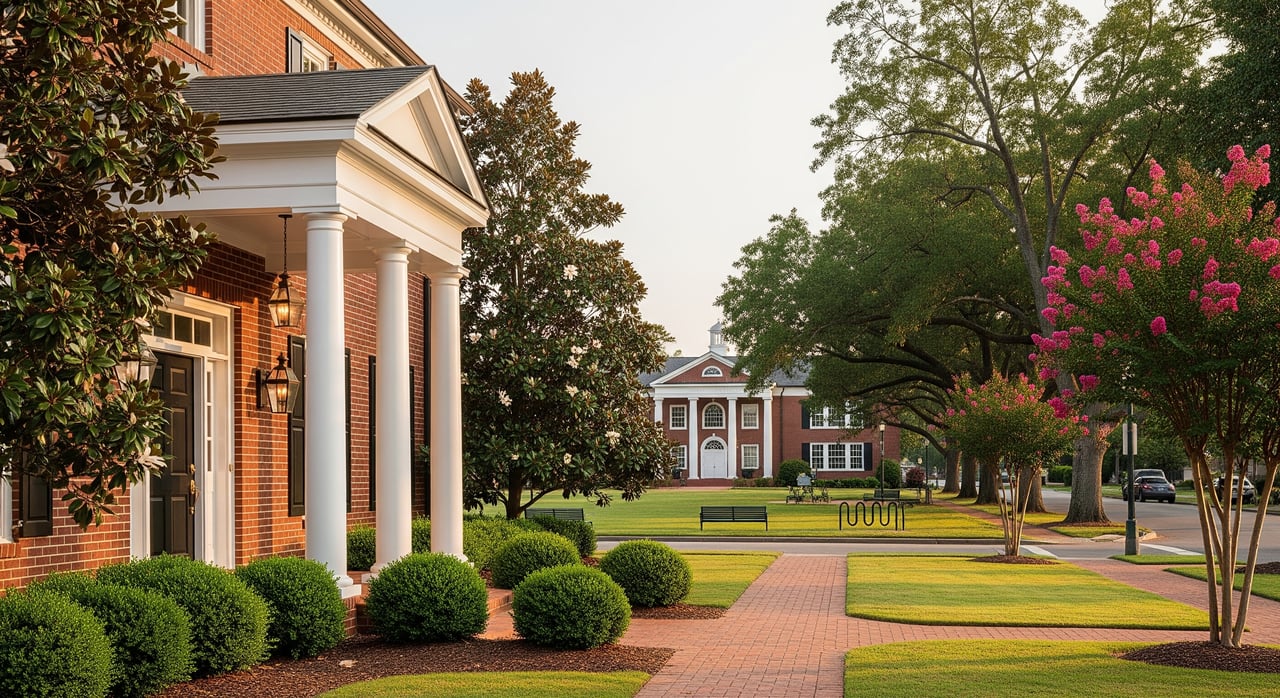
Downtown and Historic Belmont
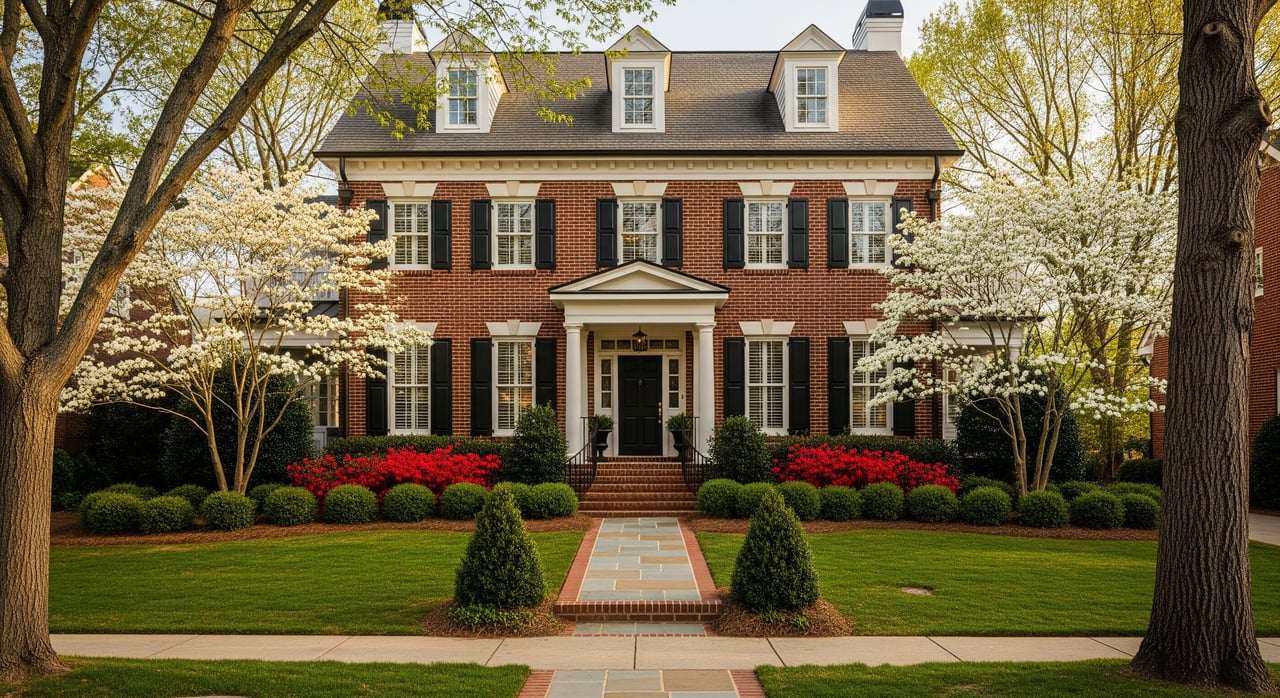
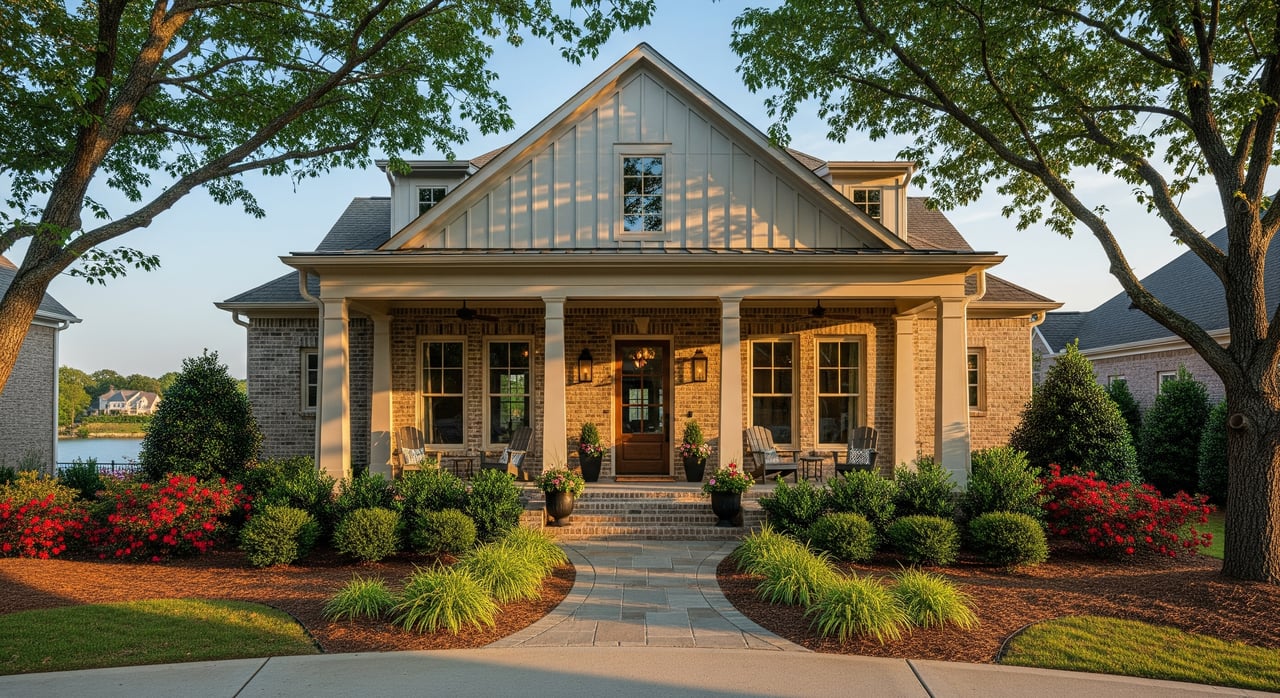
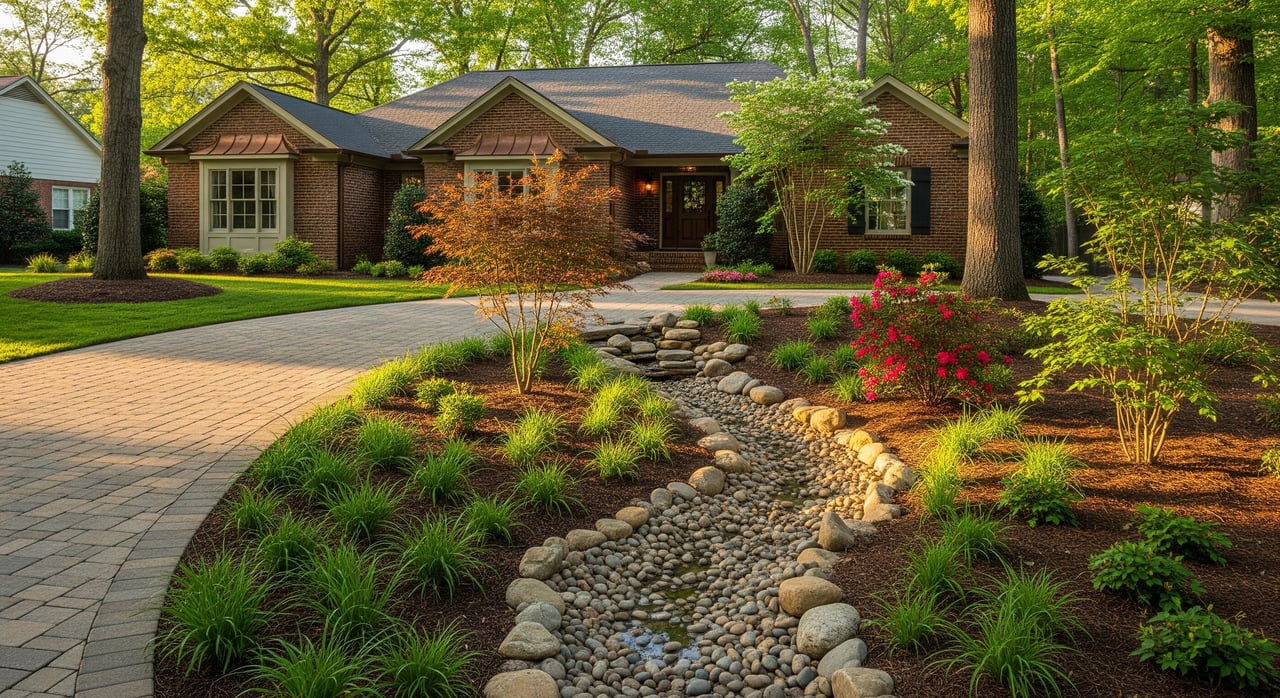
- What you’ll find: A walkable Main Street, local restaurants and shops, community events, and historic character homes and cottages. You’ll also see small multi-family buildings and renovated bungalows.
- Why it appeals: You can walk to coffee, dinner, and seasonal events. If you like character homes and shorter local trips, this area fits.
- Commute notes: Quick access to local arterials, though exiting town at peak can feel slower due to small-town traffic. If you commute, test morning and evening drive times.
Belmont Abbey and college-adjacent
- What you’ll find: Belmont Abbey College anchors this area. Expect a mix of student rentals, smaller-lot single-family homes, and streets with a light institutional feel.
- Why it appeals: Proximity to campus activities and events. Some buyers also look here for rental potential.
- Commute notes: Local streets connect to major roads. Event traffic can affect evenings and weekends.
Riverfront and Lake-proximate pockets
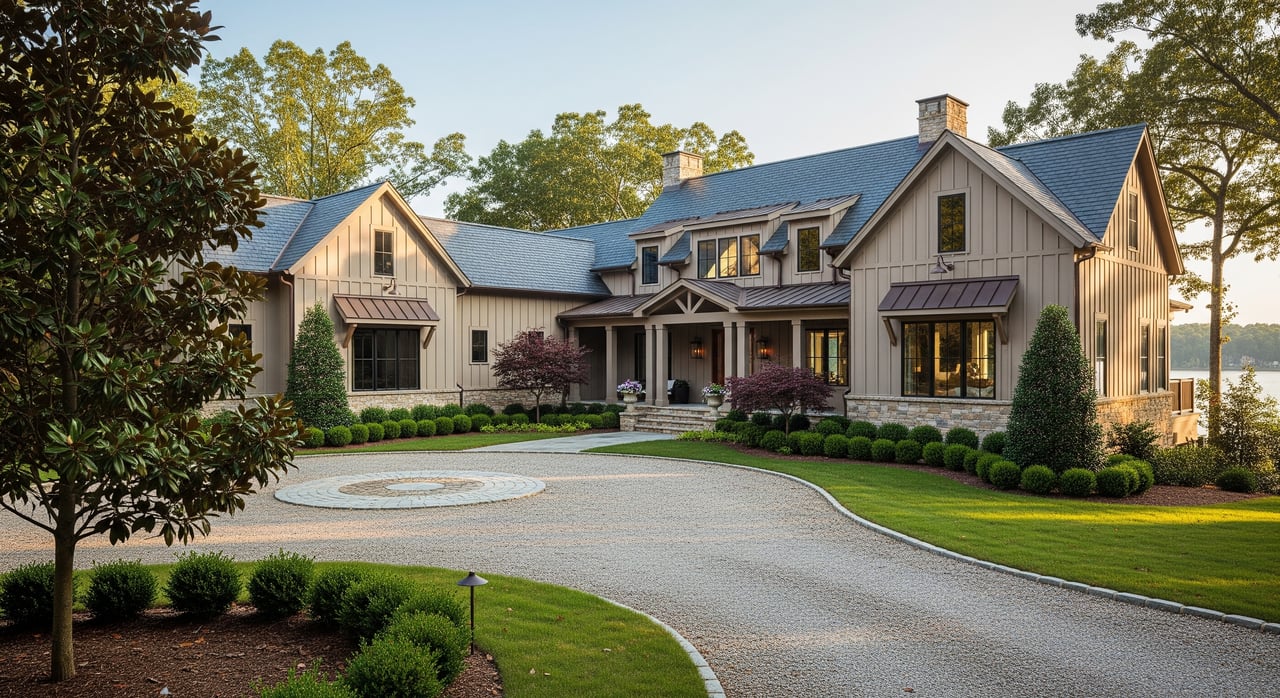
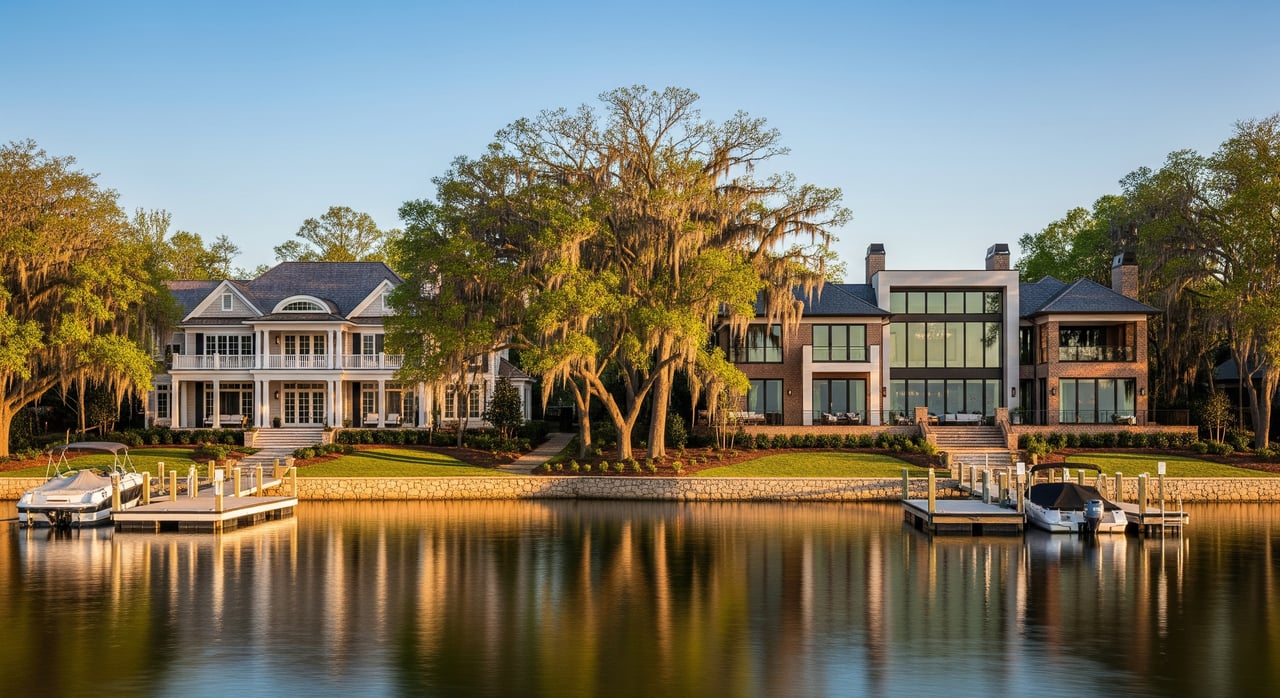
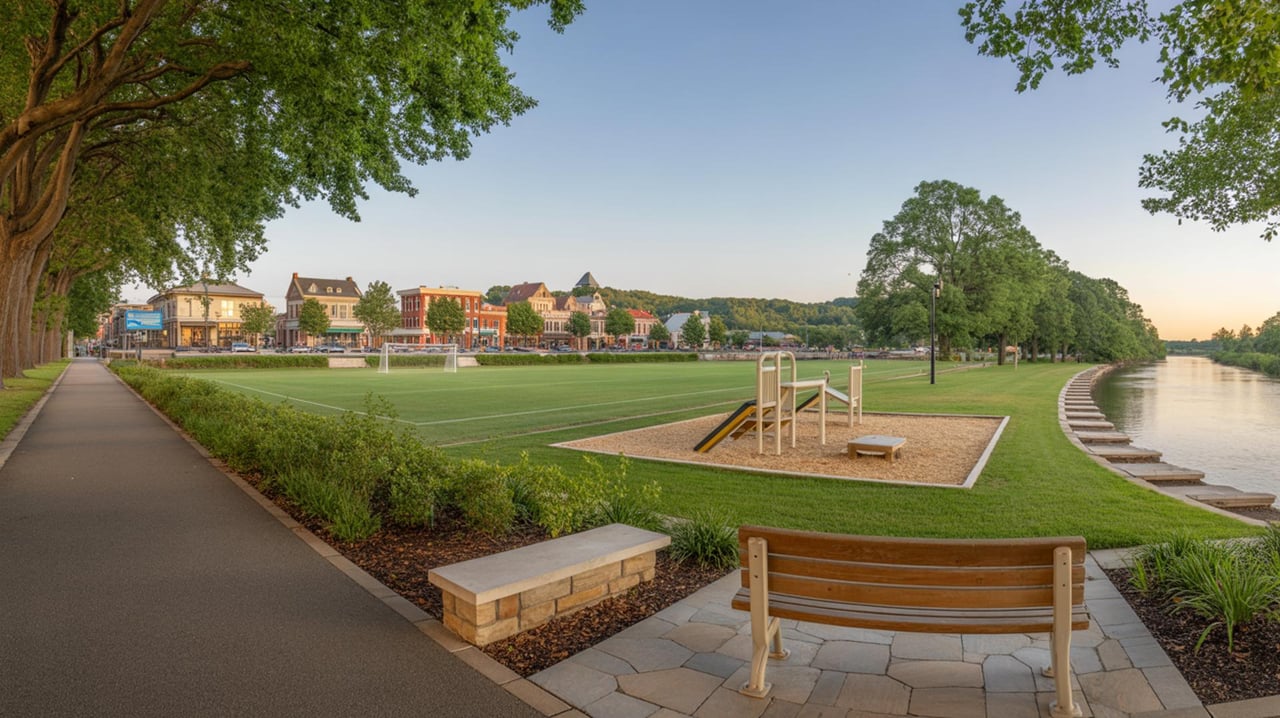
- What you’ll find: Homes near the Catawba River and the Lake Wylie corridor, with a mix of older and newer construction. Some homes offer water views or access.
- Why it appeals: Scenic value and access to trails and boating. Seasonal recreation can add local traffic.
- Commute notes: Slightly longer drives to major corridors from some pockets. Always test your route at your typical commute times.
- Flood check: River-adjacent areas may include higher risk zones. Review FEMA’s Flood Map Service Center and talk with local planning about floodplain rules before you buy: FEMA Flood Map Service Center
Newer subdivisions and townhomes
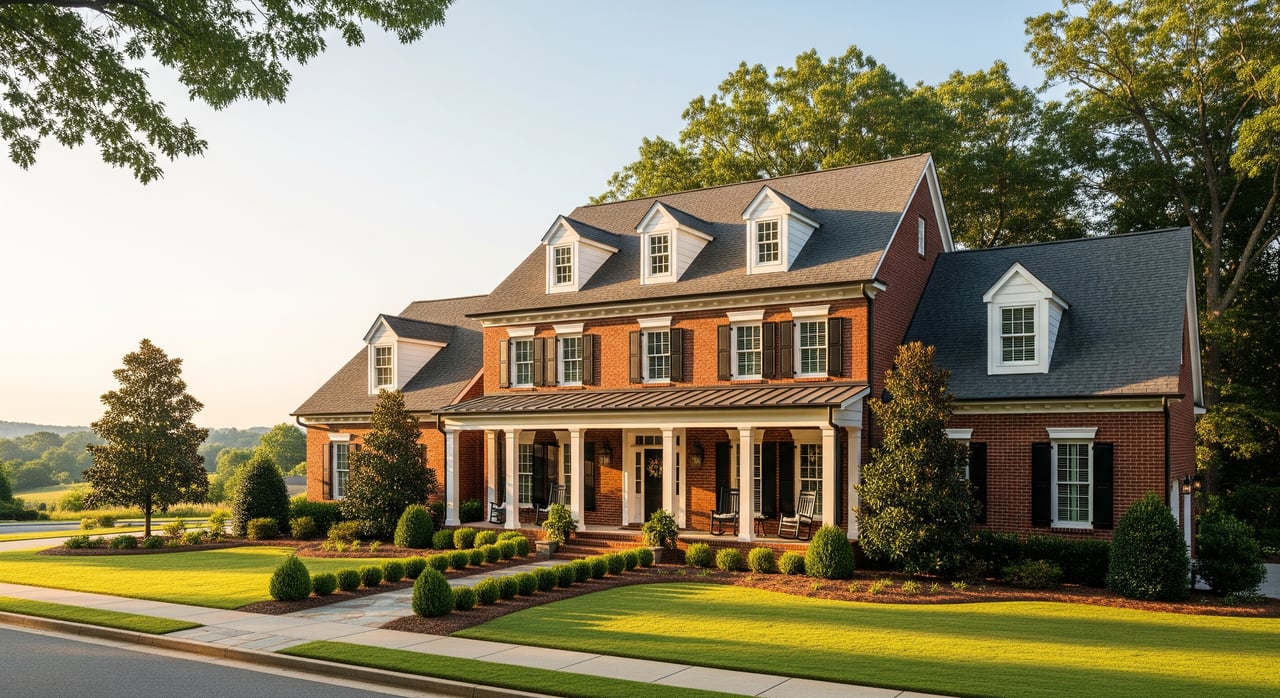
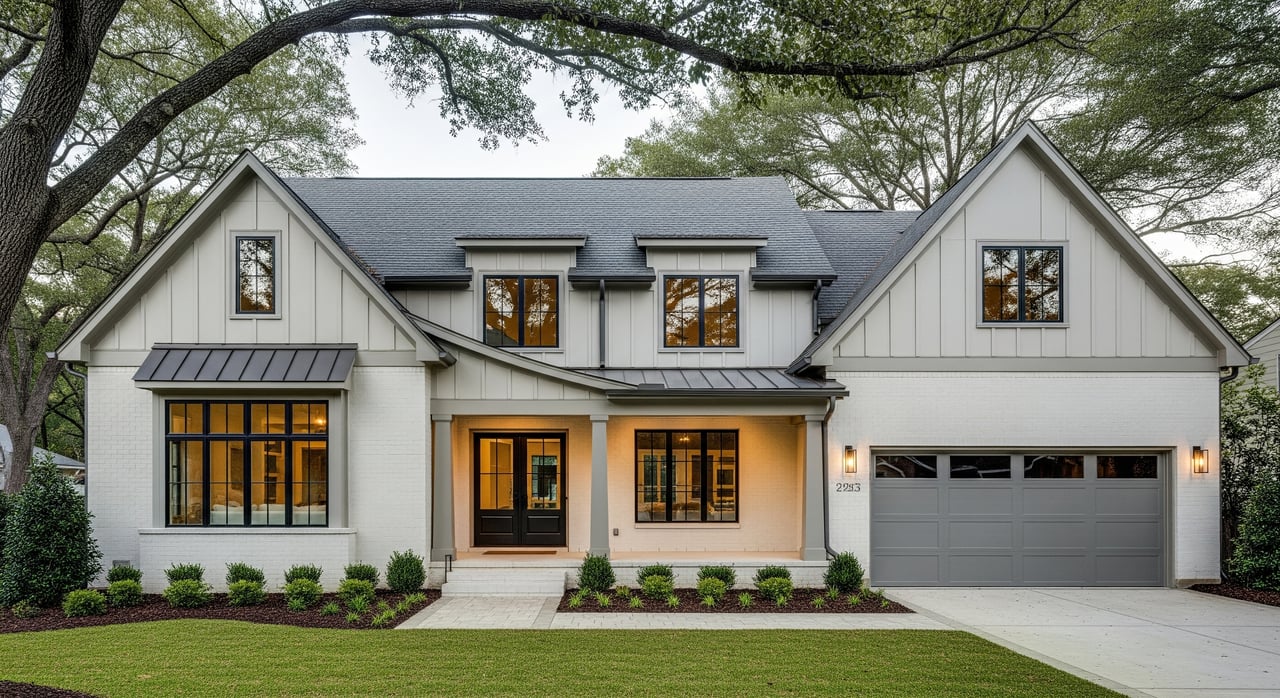
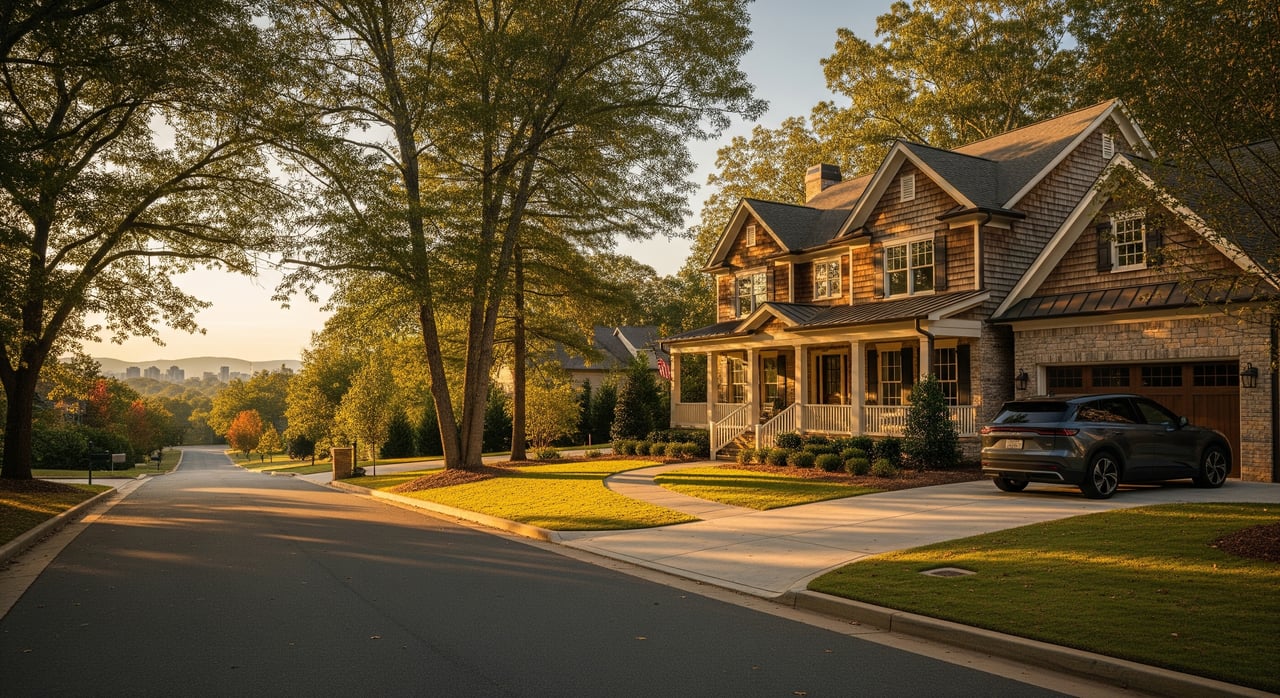
- What you’ll find: Communities built in the last 10 to 20 years, including single-family homes and townhomes. Look for modern floor plans, attached garages, and HOA-managed amenities.
- Why it appeals: Newer finishes, community pools or common areas in some neighborhoods, and value per square foot compared to closer-in Charlotte.
- Commute notes: These areas are designed for car commutes. Proximity to major arterials helps when heading toward Charlotte.
Nearby towns to consider
- Mount Holly, Cramerton, and Gastonia sit close by and often appear in a Belmont-area search. Some buyers consider a slightly longer commute for price or neighborhood preferences.
- School zones vary by address. Always verify assignment with the district: Gaston County Schools
Commutes: what to expect
Most Belmont residents commute by car within Gaston County or into Mecklenburg County. Morning traffic is typically heavier toward Charlotte, with the reverse in late afternoon.
- Main corridors: Eastbound access toward Charlotte generally uses interstate and US routes. Many drivers head for I-85 or major US routes into the city. Traffic patterns can vary by time of day and construction activity.
- Test your drive: Use Google Maps, Apple Maps, or Waze to check your specific home-to-work route at your actual commute times before you make an offer.
- Stay current on projects: Road construction and future improvements affect travel times. Track updates through the North Carolina Department of Transportation and the Charlotte Regional Transportation Planning Organization: NCDOT projects and CRTPO plans and TIP
Common trip examples and route choices to explore:
- Uptown Charlotte: Test I-85 to the I-77/277 loop or a US route into the city. Try both during peak hours.
- Charlotte Douglas International Airport: Plan options using interstate and major arterials. Compare times on weekdays vs. weekends.
- SouthPark or south Charlotte: Combine interstate and major boulevard options. Midday can be quicker than peak.
- Gaston County job centers: Many westbound trips within the county are shorter and less variable, but test your exact route.
Transit and other options
- Public transit: Charlotte Area Transit System (CATS) operates regional buses and light rail in Mecklenburg County. There is currently no direct commuter rail or light rail serving Belmont. Check current routes and any cross-county links here: CATS transit maps and schedules
- Regional planning: Transit expansions depend on funding and planning cycles. For the latest regional project lists, review CRTPO.
- Local transit: Gaston County coordinates certain local bus and paratransit services. Confirm current offerings through Gaston County Government.
- Park-and-ride and carpools: Options can change. Check NCDOT and CATS for park-and-ride locations, and consider carpooling or vanpools for longer commutes.
- Biking and walking: Downtown Belmont is relatively walkable for local errands. Recreational trails and greenways support short trips, but bike commuting to Charlotte is not typical for most due to distance and road conditions.
- Hybrid work: If your company supports remote or hybrid schedules, confirm expectations before you choose a neighborhood.
Cost and time trade-offs
- Housing vs. drive time: Many buyers weigh a longer commute against a lower purchase price compared to closer-in Charlotte neighborhoods.
- Direct costs: Budget for fuel, vehicle maintenance, parking in Charlotte if needed, and any transit fares. Some corridors have toll or express options in the metro, so check your route settings.
- Intangibles: Consider time with family, stress, and flexibility for childcare or errands.
Test your commute
Before you write an offer, run this quick test:
- Drive the route twice during the week, once in the morning and once in the evening, at your actual commute times.
- Try at least one alternate route and compare typical traffic using your map app’s historical data features.
- Note pain points like merges or bottlenecks. Factor in school-year vs. summer patterns.
- Check NCDOT and CRTPO for any upcoming projects that could change your drive: NCDOT projects and CRTPO plans and TIP
Relocation checklist
Use this list to cover key items that affect daily life and resale.
- Verify school assignment and review official data if schools are a factor: Gaston County Schools and NC Department of Public Instruction
- Review HOA rules, fees, and amenities for any subdivision.
- Check flood risk with FEMA maps and ask about local flood history and elevation certificates: FEMA Flood Map Service Center
- Confirm property taxes and any special assessments with Gaston County: Gaston County Government
- Review zoning, future land use, and local plans on the Town of Belmont site: Town of Belmont
- Test commute times and compare parking or transit costs.
Local resources
- Demographics and commute patterns: U.S. Census Bureau QuickFacts
- Town services, zoning, and parks: Town of Belmont
- County services and taxes: Gaston County Government
- School boundaries and enrollment: Gaston County Schools
- State education data: NC Department of Public Instruction
- Flood hazard maps: FEMA Flood Map Service Center
- Road projects and traffic info: NCDOT projects
- Regional transit and routes: CATS and CRTPO
Ready to explore Belmont in person or by video tour? As a local, cross-border NC and SC advisor, I help you compare neighborhoods, verify commutes, and coordinate a smooth move. If you want a tailored plan and on-the-ground insights, reach out to Christopher Hansen to get started.
FAQs
How long is the drive to Uptown Charlotte from Belmont?
- It varies by time of day and route; test your exact home-to-work drive during weekday peak hours using your map app’s typical traffic feature.
Is there train or light rail service to Charlotte from Belmont?
- There is no direct commuter rail or light rail to Belmont at this time; check CATS and CRTPO for updates.
Which Belmont areas are most walkable for errands?
- Downtown and the college-adjacent streets offer the most walkable blocks near shops, restaurants, and events.
Are riverfront homes in Belmont at risk of flooding?
- Some pockets can have higher risk; confirm with the FEMA Flood Map Service Center and the Town of Belmont before you buy.
How do I verify my Belmont school zone and options?
- Use the district’s tools and contact the office directly to confirm assignment: Gaston County Schools.